Introduction to the Digital Transformation of Self-Managed Super Funds
The financial industry has experienced a major technological shift over the last decade, and the management of Self-Managed Super Funds (SMSFs) is no exception. Artificial intelligence (AI) and automation are rapidly transforming how trustees manage their retirement savings, investments, compliance obligations, and reporting activities. As more Australians seek greater control over their superannuation, the demand for smarter and more efficient SMSF solutions continues to grow. Today, technology is no longer just a convenience in the SMSF sector — it has become an essential component of effective fund management.
Self-Managed Super Funds provide trustees with the flexibility to control investment decisions and retirement planning strategies directly. However, with this flexibility comes substantial administrative responsibilities. Trustees are required to manage record keeping, taxation, investment monitoring, compliance reporting, auditing, and adherence to Australian Taxation Office regulations. Traditionally, these tasks were highly manual, time-consuming, and often prone to human error. The introduction of AI and automation has significantly simplified these responsibilities, enabling trustees to manage their funds more efficiently and accurately.
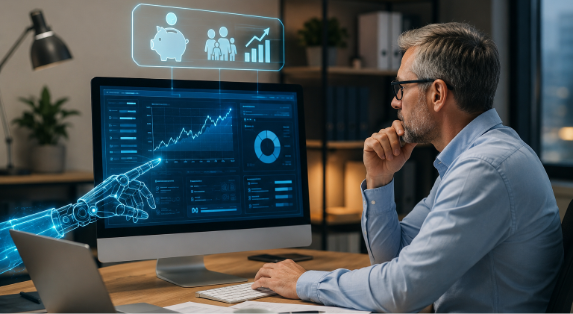
AI-powered accounting systems can now process large volumes of financial data in real time, while automation tools help eliminate repetitive administrative tasks. This allows SMSF trustees to focus more on strategic investment planning rather than paperwork and manual calculations. Financial professionals are also leveraging modern technology to deliver improved advisory services to clients. Firms like Milan Accountants are helping trustees integrate technology-driven solutions into their SMSF management strategies while maintaining compliance and financial efficiency.
As the financial world becomes increasingly digital, understanding how AI and automation are changing Self-Managed Super Funds management is becoming essential for both current and future SMSF trustees.
The Growing Role of Artificial Intelligence in SMSF Administration
Artificial intelligence is playing a significant role in reshaping the administration of Self-Managed Super Funds by improving efficiency, reducing errors, and simplifying complex financial processes. AI technology is designed to analyse data, identify patterns, and perform tasks that would normally require human involvement. In the SMSF sector, this technology is helping trustees and accountants manage large volumes of information quickly and accurately.
One of the most important applications of AI in SMSF administration is automated financial data processing. Modern AI-powered software platforms can automatically import bank transactions, classify expenses, reconcile accounts, and generate financial reports. These systems dramatically reduce the amount of manual work involved in fund administration. Trustees no longer need to spend hours entering financial information manually, which lowers the risk of costly mistakes and improves overall productivity.
Another major advantage of AI is real-time reporting. Traditional SMSF reporting methods often involved waiting weeks or months for updated financial statements. AI-driven platforms now provide trustees with instant access to live portfolio performance, investment summaries, tax estimates, and cash flow reports. This enables faster and more informed decision-making. Trustees can monitor the health of their Self-Managed Super Funds at any time and make adjustments based on changing market conditions.
AI also improves communication between accountants and clients. Many SMSF firms now use AI-powered chat systems and virtual assistants to answer routine client enquiries quickly. This enhances customer service and ensures trustees receive timely information regarding their superannuation funds.
Professional firms such as Milan Accountants are increasingly adopting AI-based technologies to provide more streamlined and accurate SMSF management services. As AI continues to evolve, its role in simplifying fund administration and enhancing operational efficiency will become even more significant within the SMSF industry.
How Automation Is Improving Compliance for Self-Managed Super Funds
Compliance is one of the most critical responsibilities associated with managing Self-Managed Super Funds. Trustees must comply with strict Australian superannuation laws and regulatory requirements established by the Australian Taxation Office (ATO). Failure to meet these obligations can result in financial penalties, audits, or even disqualification of the fund. AI and automation technologies are helping trustees minimise compliance risks by improving accuracy and monitoring regulatory obligations more effectively.
Automated compliance systems can continuously track transactions and identify potential breaches in real time. These tools are programmed to recognise unusual financial activities, contribution limit violations, related-party transactions, and investment irregularities. Instead of relying solely on manual reviews, trustees can now receive immediate alerts when potential compliance issues arise. This proactive monitoring significantly reduces the likelihood of regulatory breaches within Self-Managed Super Funds.
Another important benefit of automation is regulatory update integration. Superannuation laws and tax regulations frequently change, making it difficult for trustees to remain updated at all times. AI-powered software platforms automatically incorporate legislative updates into their systems, ensuring that compliance checks reflect the latest legal requirements. This helps trustees stay aligned with current ATO guidelines without needing to monitor every regulatory announcement manually.
Automation is also improving the efficiency of SMSF audits. Traditionally, preparing documents for audits involved collecting paperwork, organising records, and manually verifying transactions. Modern digital systems automatically maintain detailed electronic records and generate audit-ready reports instantly. This reduces administrative stress for trustees and allows auditors to complete reviews more efficiently.
Companies like Milan Accountants utilise modern automation technologies to support trustees in maintaining compliance while reducing administrative workload. As regulatory requirements continue to become more complex, automation will remain an essential tool for ensuring efficient and compliant Self-Managed Super Funds management.
AI-Driven Investment Strategies for SMSF Trustees
Investment management is one of the primary reasons many Australians establish Self-Managed Super Funds. SMSFs provide trustees with greater flexibility and control over investment choices compared to traditional superannuation funds. However, making successful investment decisions requires extensive market analysis, risk management, and strategic planning. AI-powered technologies are now helping SMSF trustees improve investment decision-making through advanced analytics and automated insights.
Artificial intelligence systems can analyse massive amounts of financial data in real time, including stock market trends, economic indicators, interest rate movements, and asset performance patterns. This level of analysis would be extremely difficult and time-consuming for individuals to perform manually. AI tools help trustees identify investment opportunities more quickly and make data-driven decisions based on market conditions.
Portfolio optimisation is another major advantage of AI in Self-Managed Super Funds management. AI platforms can evaluate investment portfolios and recommend diversification strategies that align with a trustee’s financial goals and risk tolerance. These systems help trustees balance investments across various asset classes such as shares, property, bonds, and alternative investments to reduce exposure to unnecessary risk.
Automation also supports real-time investment monitoring. AI-driven systems can send alerts regarding market fluctuations, price changes, and portfolio performance instantly. This enables trustees to respond quickly to changing financial conditions and adjust their strategies when necessary. Some advanced platforms even offer predictive analytics that forecast potential market trends based on historical data and economic patterns.
Although AI provides valuable investment insights, professional financial guidance remains important. Firms such as Milan Accountants help SMSF trustees combine advanced technology with strategic financial advice to achieve long-term retirement objectives. As AI technology becomes more sophisticated, its influence on SMSF investment management is expected to continue growing significantly.
The Future of Self-Managed Super Funds in an AI-Driven Financial World
The future of Self-Managed Super Funds is expected to become increasingly technology-driven as artificial intelligence and automation continue reshaping the financial industry. Trustees are rapidly adopting digital tools to improve efficiency, strengthen compliance, and enhance investment performance. Over the coming years, AI is likely to play an even larger role in how SMSFs are managed, monitored, and optimised.
One major future trend is the expansion of robo-advisory services for SMSFs. Robo-advisers use AI algorithms to provide automated financial recommendations based on an individual’s goals, age, risk profile, and retirement objectives. These systems can create personalised investment strategies and automatically rebalance portfolios when market conditions change. This could make sophisticated financial planning more accessible and cost-effective for SMSF trustees.
Blockchain technology may also influence the future of Self-Managed Super Funds management. Blockchain systems can provide secure, transparent, and tamper-resistant financial records, improving transaction security and audit accuracy. Combined with AI, blockchain technology could simplify compliance reporting and reduce the risk of fraud within SMSFs.
Another emerging development is predictive retirement forecasting. Advanced AI platforms may soon be capable of analysing decades of financial data to estimate future retirement outcomes with greater precision. Trustees could use these insights to make smarter long-term financial decisions and adjust contribution or investment strategies accordingly.
Despite these technological advancements, human expertise will continue to remain essential. Financial planning, tax structuring, legal interpretation, and retirement advice still require professional judgment and personalised guidance. Technology is designed to support financial professionals rather than replace them completely.
Firms like Milan Accountants are helping trustees embrace innovation while ensuring strategic oversight and compliance remain priorities. As AI and automation continue to evolve, Self-Managed Super Funds management is expected to become more efficient, secure, and accessible for Australian investors seeking greater control over their retirement future.